

In Profile - Sophie Hardach
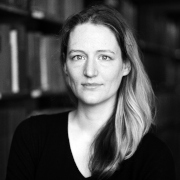
© DAAD/Hardach
I am a journalist and author based in London. I grew up in Germany but have lived abroad for most of my adult life, and that somewhat hybrid identity informs a lot of my work. There’s actually a German word for people like me – Auslandsdeutsche (which translates as something like expat German or diaspora German).
My most recent novel, Confession with Blue Horses, is set in East Berlin and was written as part of a PhD in Creative Writing at Goldsmiths College, London. I hadn’t studied anything creative before (my original degree was in economics), so the PhD was a nice way of exploring literature and storytelling in an academic context and learning more about different techniques and genres. It also allowed me to devote more time to research, including a month-long, DAAD-funded stay in Berlin.
The DAAD research fellowship offered me a really precious opportunity to immerse myself in my home culture, and spend a month exploring Berlin and its changing population, streets and architecture while working on the novel and its characters. Confession with Blue Horses was shortlisted for the Costa Award in the UK, and it was nice to see that readers from many different countries really connected with this (to me, at least) very German story.
What does a typical day in your job look like? Is there any link/relation to German/ Germany?
I tend to divide my time between reading research papers and archive material, planning and conducting interviews, and writing articles and books. And yes, a lot of my work involves Germany; my last novel was partly set in Germany, for example.
Which experiences have you gained during your stay in Germany and how has it influenced your career path/ personal development?
I’m German but have spent my entire professional life outside of Germany (in the UK and other countries). The DAAD-supported stay allowed me to find a way back into my own culture. It also helped me build a bridge between my experiences in the UK and Germany, both of which have profoundly shaped my life.
Which city in Germany have you been studying/researching and what was/were the reason/s for chosing it?
Berlin, because I was working on a novel (partly) set in Berlin.
Who has inspired you the most in your career and why?
So many people! One of the things I love most about my work as a journalist is talking to people about their research, struggles, achievements, and being inspired by them – every human life holds an infinity of stories.
What do you like in or about Germany? Can you give an example?
The language. German is such a rich, beautiful and inventive language. Whenever I visit Germany, I listen out for new linguistic trends and expressions, or even just a fun new compound word.
Is there a (German) book or (German) author or maybe German film you always return to? If yes, why?
Again, so many…. “Die bröckelnde Festung” by Gabriele Stötzer is one book I’d really recommend; it’s deeply moving and very powerful.
Which is your favourite city/ place in Germany and which in the UK/Ireland and why? Are there any similarities or differences?
I like Berlin a lot, but in recent years I’ve also discovered the joy of venturing into smaller German towns and cities, and learning about their history – I went on a very short but really fascinating trip to Würzburg, for example.
What was the most ‘German’ experience you have had in the UK/Ireland so far? How did you react? What did it remind you of?
I live in London but talk to my son in German, and that’s definitely a very German experience – it often feels like a little magic-carpet ride back to Germany. I love hearing him speak German and come up with his own new words.
Can you cook a German dish without a recipe? If so, which one and where have you learned it?
Pancakes!
What advice would you give to students who are thinking of choosing your field of study/research?
Learn as many languages as you can. It’s a huge, huge advantage for a journalist. Not only can you speak to people in their mother tongue (which often makes for a better, more open and more relaxed interview), you can also keep up with research, events and policy initiatives in other countries, and use that to develop new story ideas.
What advice would you give to UK/Irish students and researchers who are thinking of pursuing research abroad in Germany?
Put as much effort as you can into learning the language. It’ll never be a waste, and it’s one of the most empowering things you can do for yourself. Think of it as adding a whole new world to your own, giving you access to so many wonderful books, films, archives, and even just delightful, funny, inspiring everyday conversations. There are some languages I’ve learned to fluency, and others I’ve totally failed to master, and I still wish I’d put more effort into the latter ones!
Is there anything we have not asked but you would like to say?
I think this has been pretty comprehensive, and I hope it’ll encourage more people to apply for the DAAD’s programmes. It’s a really supportive and helpful organisation, and the chance to spend time abroad is just such a privilege – whether it’s a short stay or a long-term project. Plus, if you haven’t lived abroad before, it’s much less daunting if you do it with the kind of support and network of contacts that the DAAD offers.